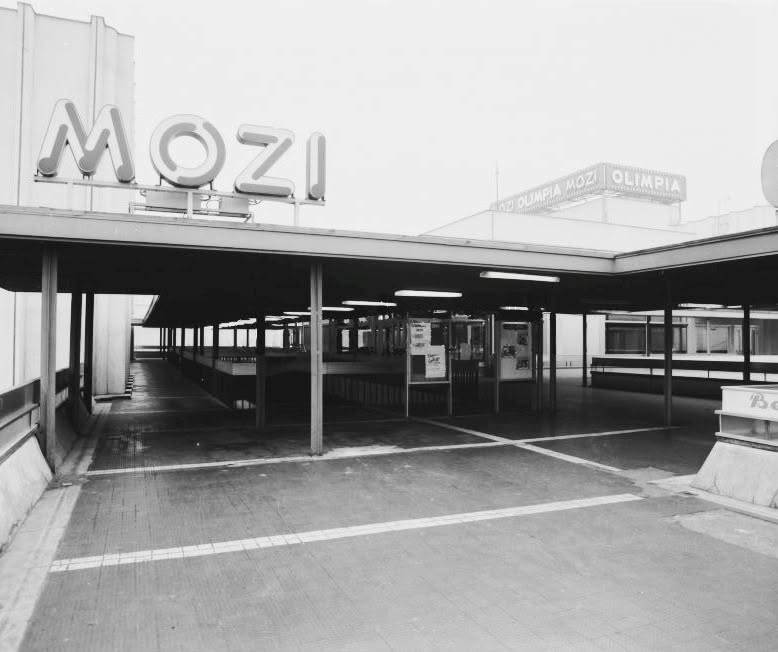
The building at Etele út 55 has long been part of life in Kelenföld. Many still associate it with the former Olimpia cinema — the period when this place was primarily a home for films, shared experiences and larger gatherings. The building's size, location and internal features already carried within them the idea that this would not be a place of solitary, closed rooms, but of events experienced together.
According to the original planners' intention, Kelenföld was not meant to become a mere "dormitory district". Alongside the housing estate, a centre was envisioned where people would not just come home at the end of the day, but would also run errands, shop, talk, be entertained and engage with culture. The shopping centre, the market, the library, the cultural centre, and the cinema — known first as the Etele and later as the Olimpia — all fitted into this vision.
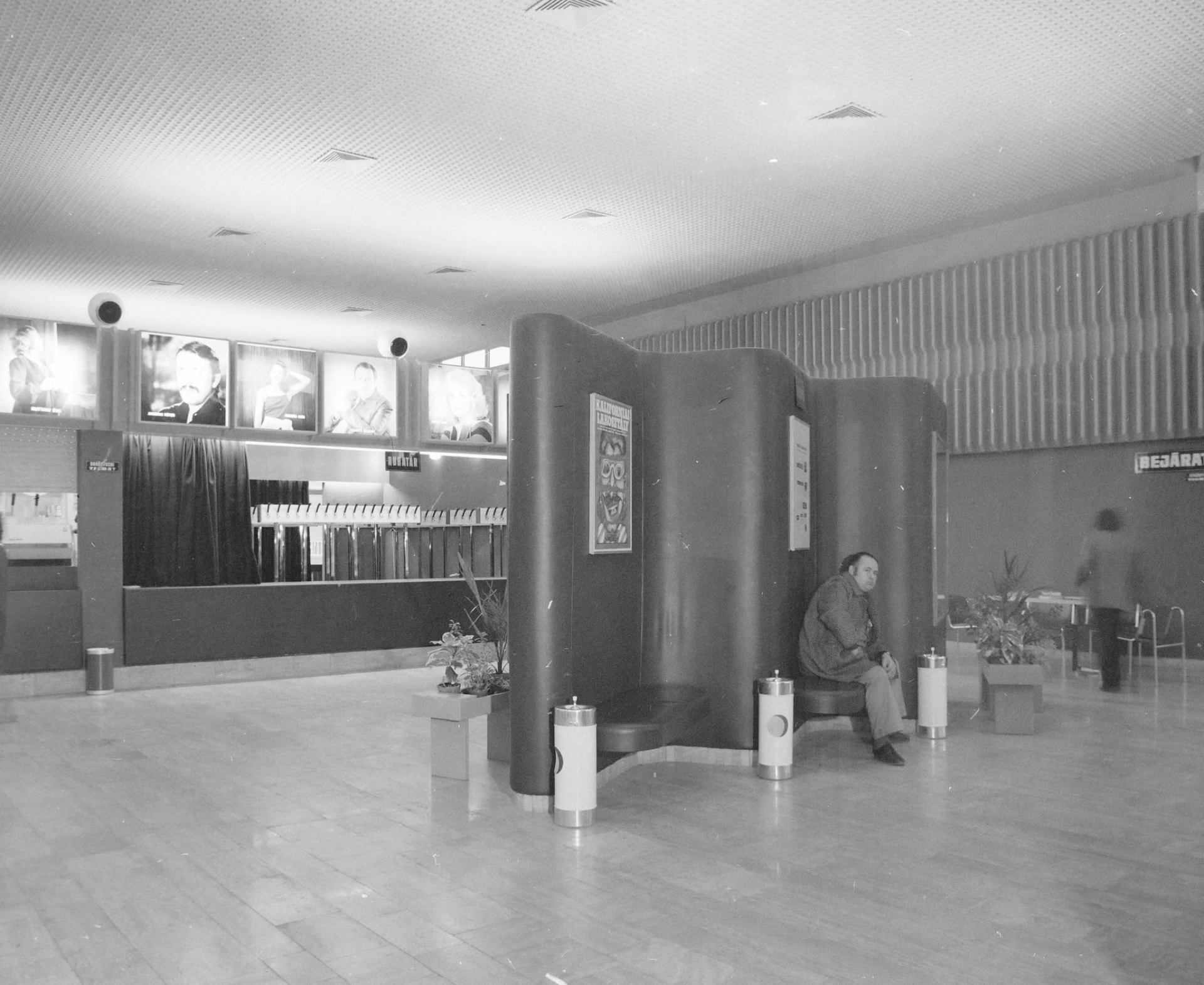
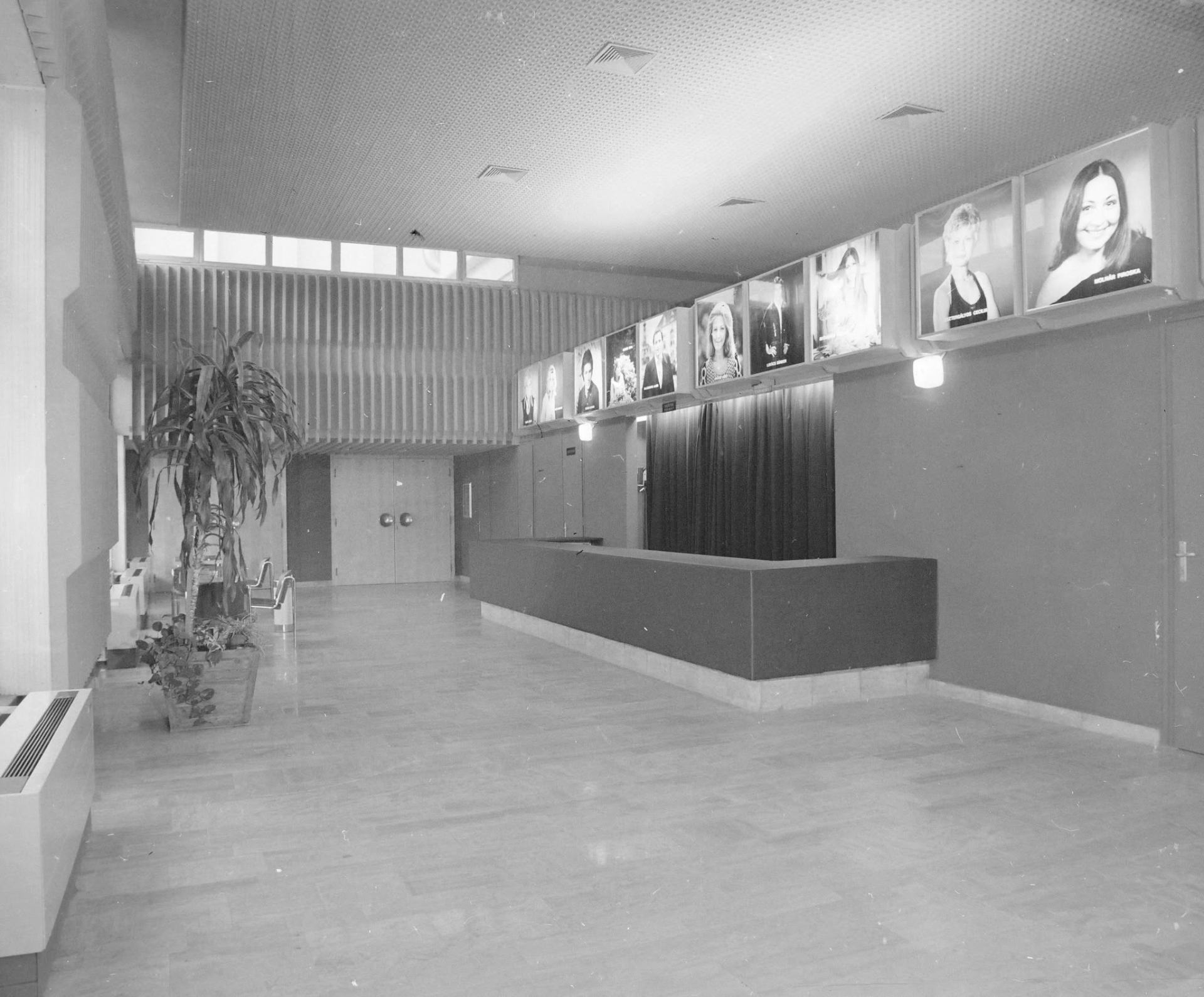
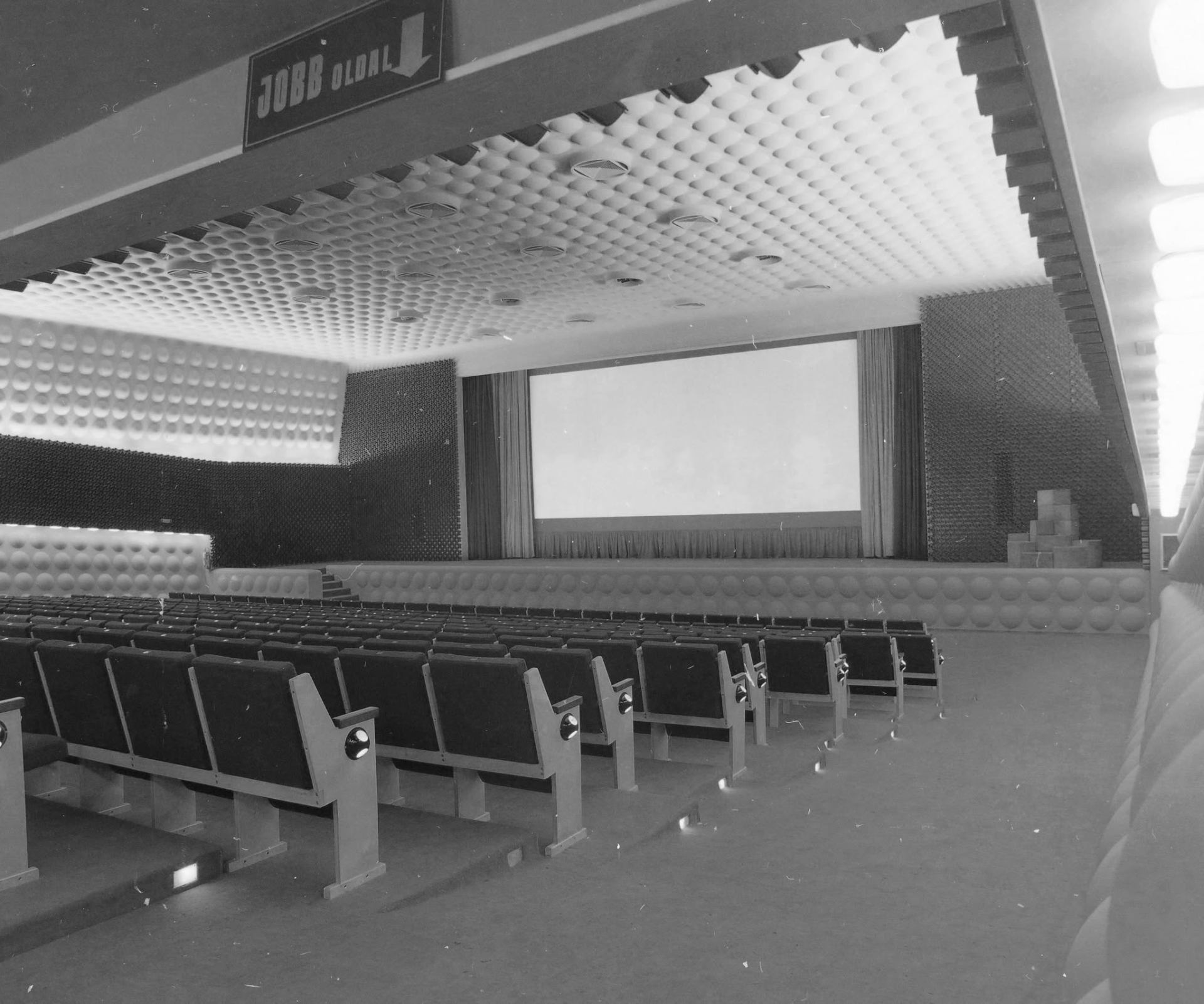
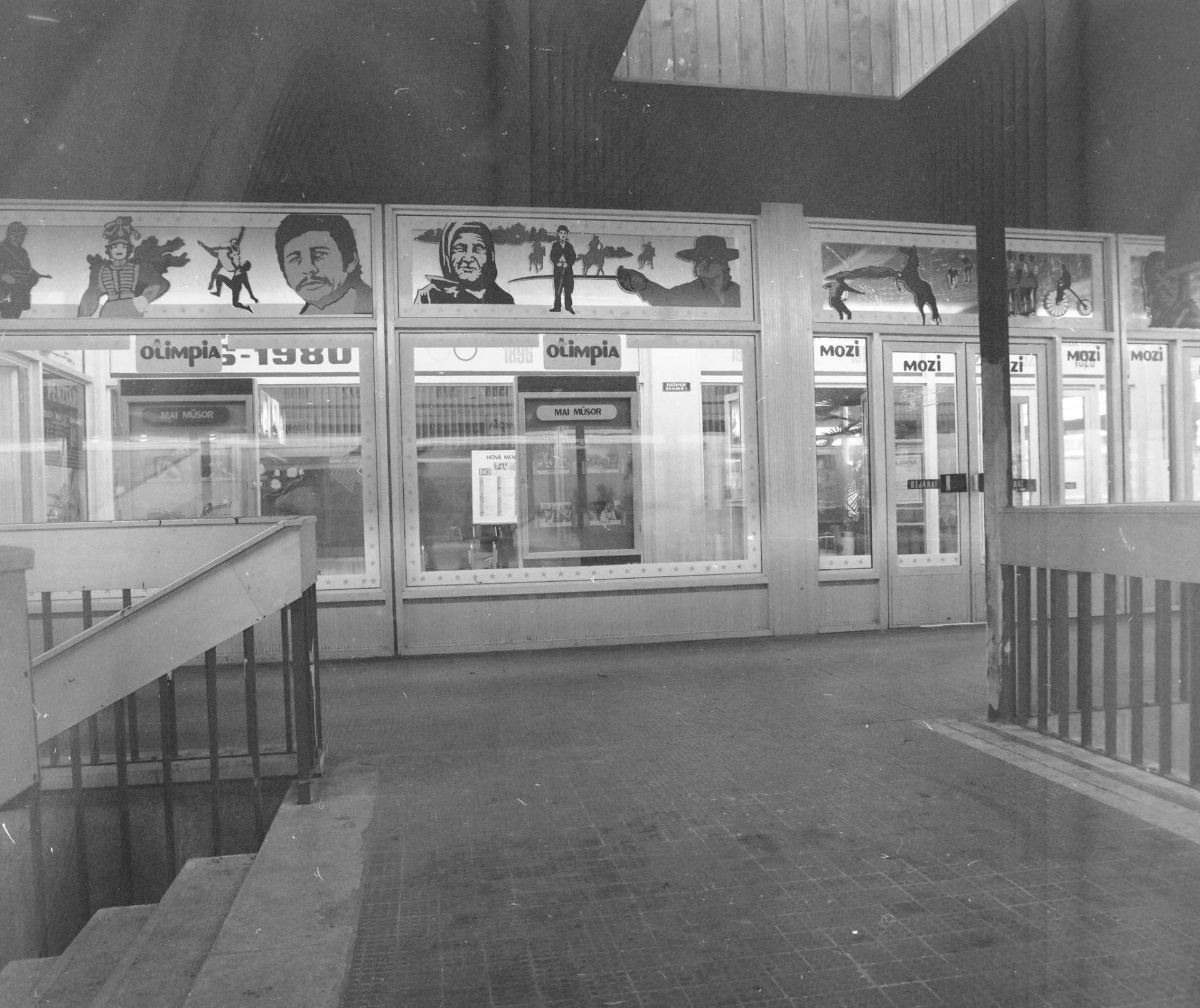
The former Olimpia cinema was, for many, one of the memorable landmarks of the area. The entrance, the foyer, the auditorium, the screen and the other spaces linked to the cinema all recall the period when the building was primarily a home for films and shared cultural experiences. Today it serves a different function, but its scale, internal logic and central location still carry the sense that this is not a solitary, closed building, but a gathering point.
When we talk about the KMK today, we carry this legacy forward too. We are not doing the same thing as the former cinema, but we are seeking an answer to a very similar question: how can a large building in Kelenföld become a place people are glad to come to — where programmes, communities, conversations and encounters can take place?
Today, the theatre hall no longer shows a film programme, but hosts conferences, congregational gatherings, concerts, community events and talks. The hall, the smaller rooms, the café and the circulation spaces all contribute to making the building not merely a collection of rentable rooms, but a truly living house.
As a place with a Christian outlook, it matters to us to carry this past forward responsibly. We want to run an open, usable and welcoming place, but not a value-neutral one: we pay attention to ensuring that the programmes held here fit the spirit of the house, and in some way build up the people, communities or environment around them.
That is why, for us, the story of the KMK is not simply about a former cinema building becoming an event venue. It is rather about an old Kelenföld meeting point living on in a new form.